The Importance of Regular Physical Activity for Overall Health
By Dr Toyin Faboya | Feb. 7, 2026, 12:12 a.m. | Category: Health Awareness
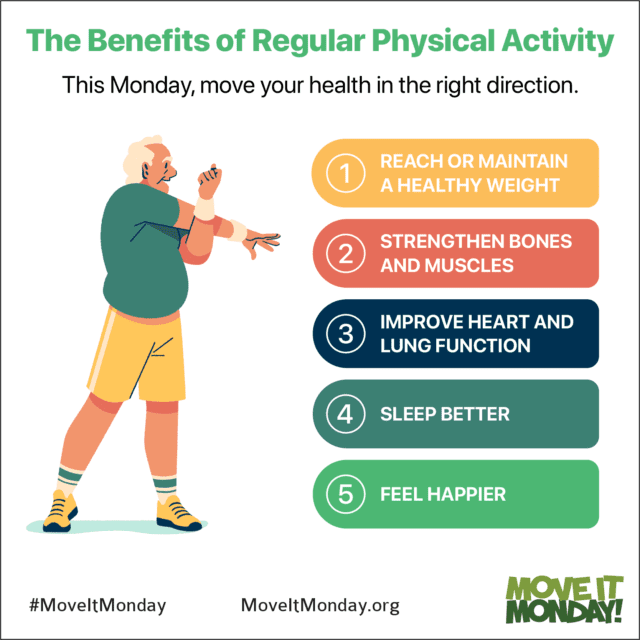
Regular physical activity is one of the most effective ways to maintain good health and prevent a wide range of medical conditions. Exercise helps strengthen the heart, improve circulation, and support healthy body weight. Even moderate physical activity, when done consistently, can have significant long-term health benefits.
Engaging in regular exercise helps reduce the risk of chronic conditions such as heart disease, high blood pressure, type 2 diabetes, and obesity. Physical activity improves how the body uses insulin, supports healthy cholesterol levels, and helps regulate blood pressure. It also strengthens muscles and bones, reducing the risk of falls and bone-related conditions as people age.
Beyond physical benefits, exercise plays a key role in mental health. Physical activity has been shown to reduce stress, improve mood, and lower the risk of anxiety and depression. Exercise encourages the release of endorphins, which are natural chemicals in the brain that promote feelings of well-being and relaxation.
Regular movement also improves energy levels and sleep quality. People who stay physically active often experience better concentration, improved productivity, and deeper, more restful sleep. Exercise does not require intense workouts; activities such as walking, stretching, cycling, or light aerobic exercises can be highly beneficial.
Health experts generally recommend at least 150 minutes of moderate physical activity per week. However, any level of activity is better than none, and starting slowly is encouraged for individuals who are new to exercise or managing medical conditions.
At WHEI, we encourage regular physical activity as part of a healthy lifestyle, alongside balanced nutrition, adequate rest, and routine medical checkups to support long-term health and well-being.